Ayurvedic Oral Care: Why Herbal Tooth Powder Still Makes Sense
Ayurveda treats oral care as part of Dinacharya, the daily self-care routine that begins every morning. Long before toothpaste, Indian households used neem and babool twigs and herbal tooth powders, known as dant manjan, to keep teeth and gums healthy.
Why herbal tooth powder?
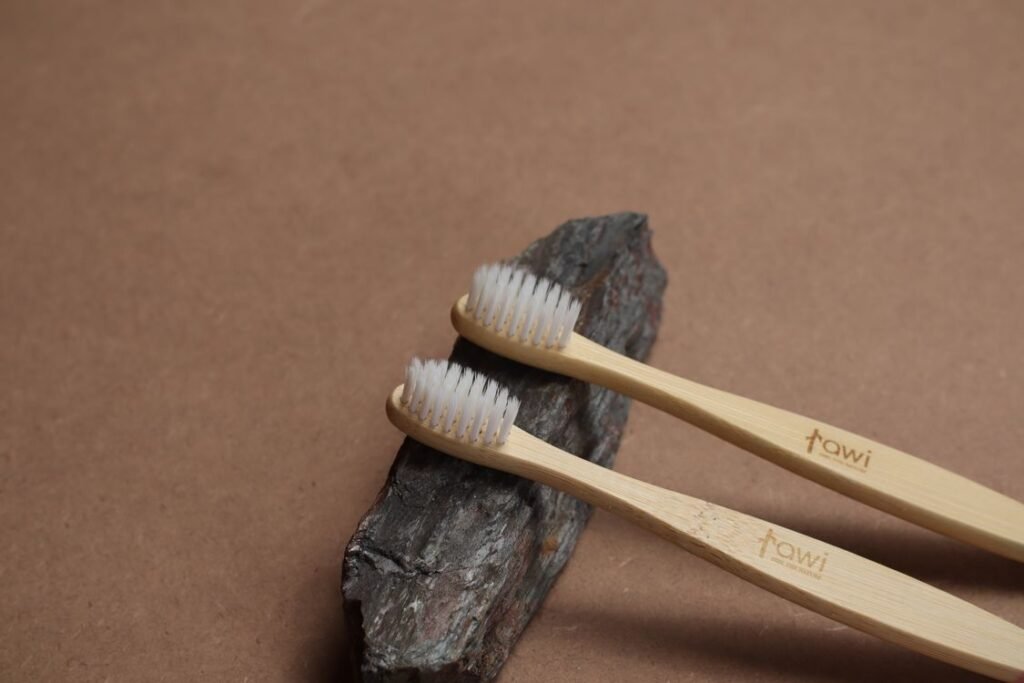
A good herbal tooth powder combines herbs traditionally valued for gums and freshness, such as clove, neem, babool, mint and others. Massaging it onto the teeth and gums with a finger or soft brush also stimulates the gums, something Ayurveda has always emphasised.
Dant-Hara Ayurvedic Powder is a herbal dental formulation designed to strengthen gums, support oral hygiene and freshen breath.
A simple Ayurvedic oral care routine
- Clean your teeth with a herbal tooth powder or your regular brush, morning and night.
- Massage your gums gently with the powder for a minute.
- Scrape your tongue with a copper or steel tongue cleaner each morning. Ayurveda considers this essential for fresh breath.
- Try oil pulling (gandusha): swish a tablespoon of sesame or coconut oil in your mouth for a few minutes, spit it out, and rinse with warm water.
- Rinse after meals with plain water.
Food matters too
Crunchy fresh fruits and vegetables, enough water through the day, and fewer sticky sweets all help your teeth. Chewing saunf after meals is a traditional breath freshener.
See your dentist
Herbal care supports daily hygiene but does not replace regular dental check-ups. If you have bleeding gums, persistent pain or sensitivity, please visit a dentist.
Shop Paartha Dant-Hara Ayurvedic Powder →
Please note: This article is for general information about traditional Ayurvedic practices and is not medical advice. Always follow the directions on the product label, and consult a qualified Ayurvedic doctor before starting any new product, especially if you are pregnant, breastfeeding, taking medicines or managing a health condition.